


Utilities solutions for today and tomorrow

Honeywell supports the utilities value chain, from generation to transmission to distribution.

A massive concrete arch dam spans a vibrant blue alpine reservoir, framed by dramatic mountains and green forest slopes under a bright sky.
Aerial view of a large coal-fired power station operating near a river under a dramatic sunset sky.

Honeywell supports the utilities value chain, from generation to transmission to distribution.

Automated, Digital-First Solutions That Help Drive Utilities Delivery

As the demand for electricity, water and gas grows, so does the need for more advanced tools to help manage that demand. From field safety and leak detection to advanced metering, control systems and OT cybersecurity, Honeywell helps utilities stay ahead of risks so they can act with confidence.

Our platforms unify sensors, data and automation to support better decision-making for utilities while also enabling commercial and industrial customers to actively manage energy use, respond to grid signals and support overall system reliability. Near-real-time monitoring and guided workflows can help reduce variability and downtime, and proactive audits with built-in compliance can support readiness across changing regulatory landscapes.

Connected solutions are designed to scale with growing demand without compromising safety, efficiency or reliability from source to service.

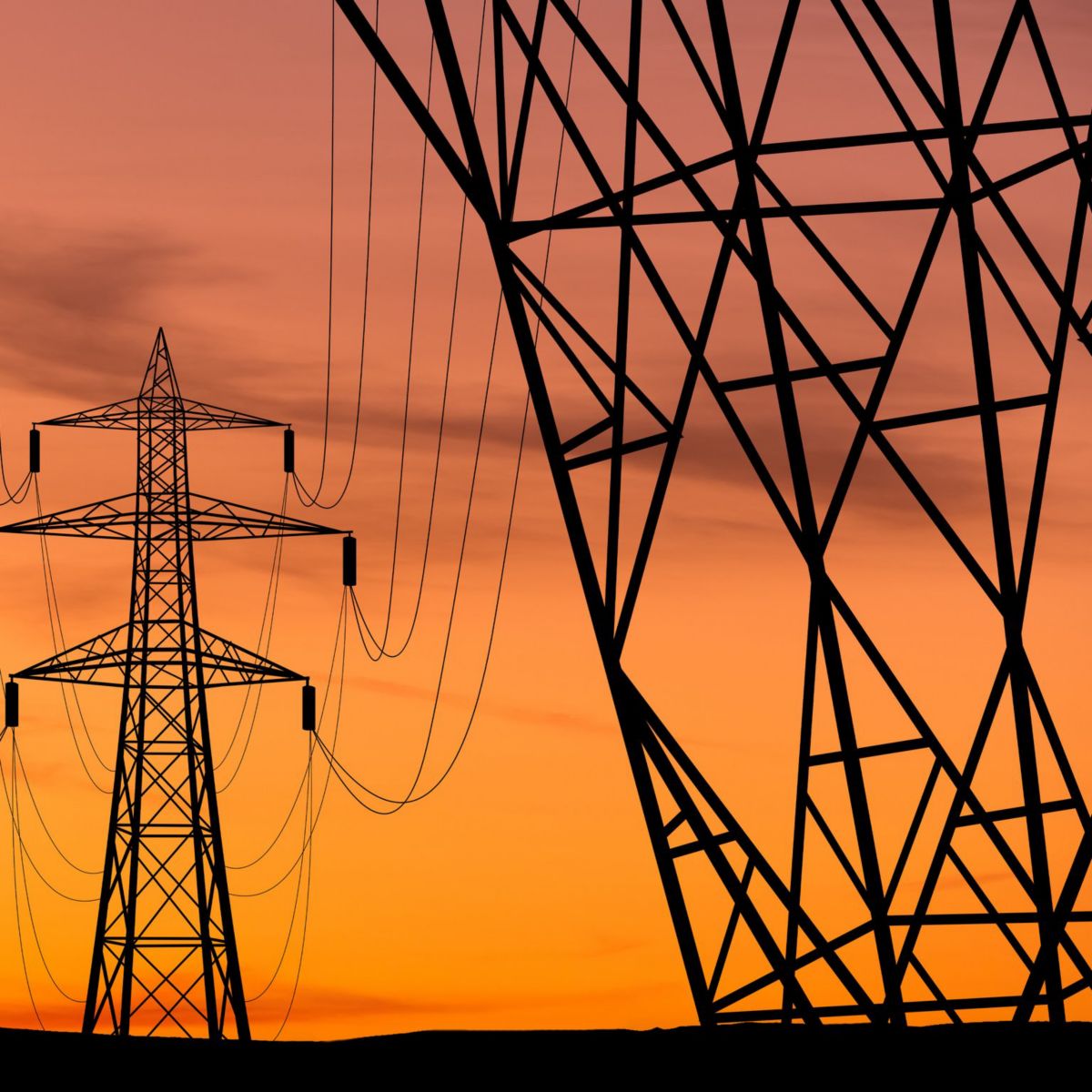
Silhouetted high-voltage electricity pylons frame a central tower against a vibrant orange sunset sky.

More resilient, flexible energy delivery

Flexible load management for commercial and industrial operations is key to meeting today’s energy challenges. Honeywell’s integrated grid-edge and storage solutions, can allow utilities and their commercial and industrial customers to strengthen reliability, handle volatility and better maintain continuity of service, while helping to improve flexibility to more reliably meet peak demand and outage conditions. Honeywell’s solutions help utilities and their commercial and industrial customers to work together to support a more flexible, resilient grid.


  • Higher resilience during disruptions and extreme events
 
  • Faster recovery with improved visibility and coordinated response
 
  • Greater flexibility to balance variable supply and demand
 
  • Improved reliability through smarter orchestration and control
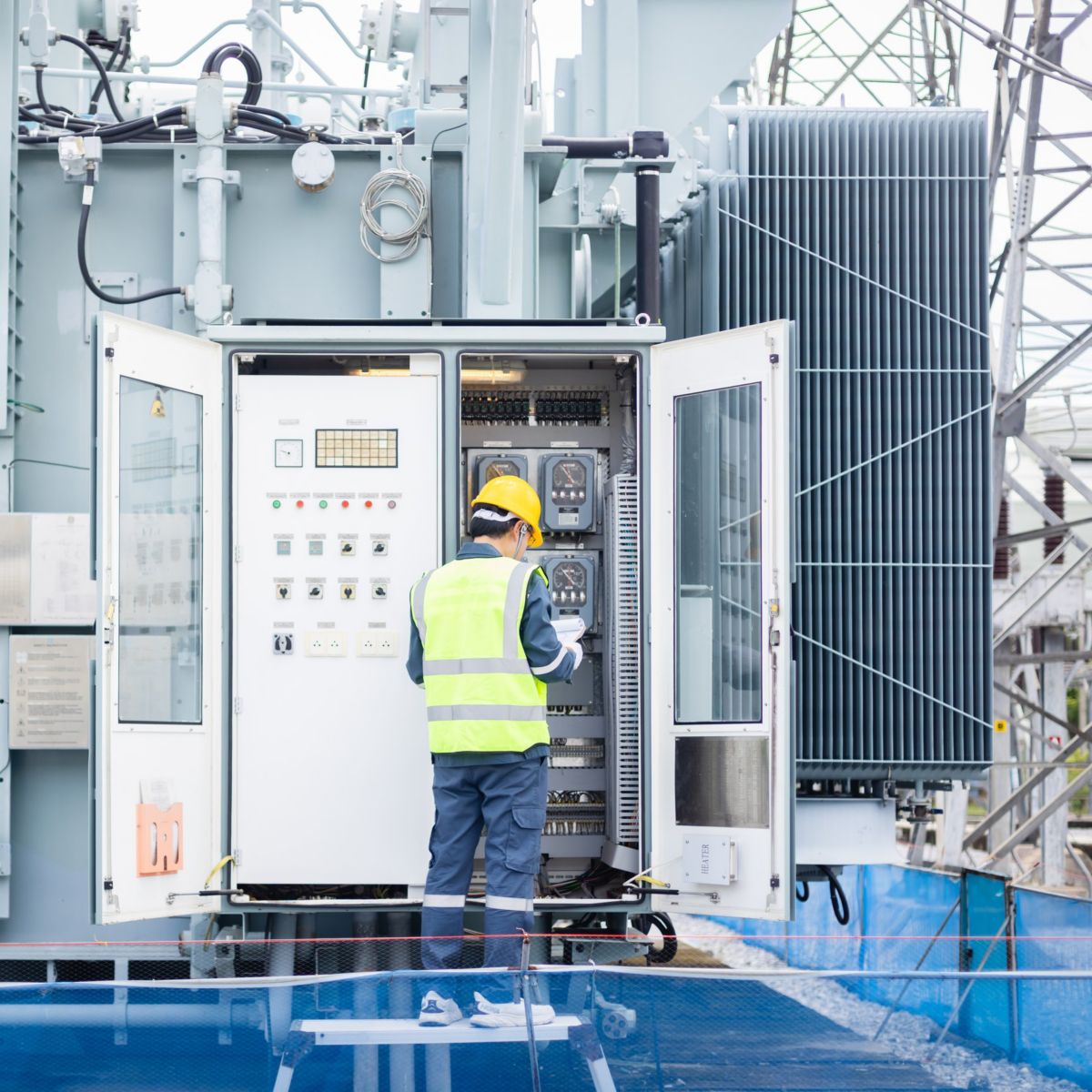
A technician in high-visibility safety gear inspects an industrial power transformer at a substation.

Faster, safer grid modernization at scale

Honeywell helps utilities modernize operations across centralized and distributed assets, enabling more coordinated control of the grid, smoother integration of new resources and better operational visibility from control room to the field.


  • Accelerated integration of distributed resources and microgrids and flexible commercial and industrial loads
 
  • Better system stability through coordinated, near real-time control
 
  • Scalable modernization without sacrificing operational continuity
 
  • Support to integrate renewables and cleaner energy sources
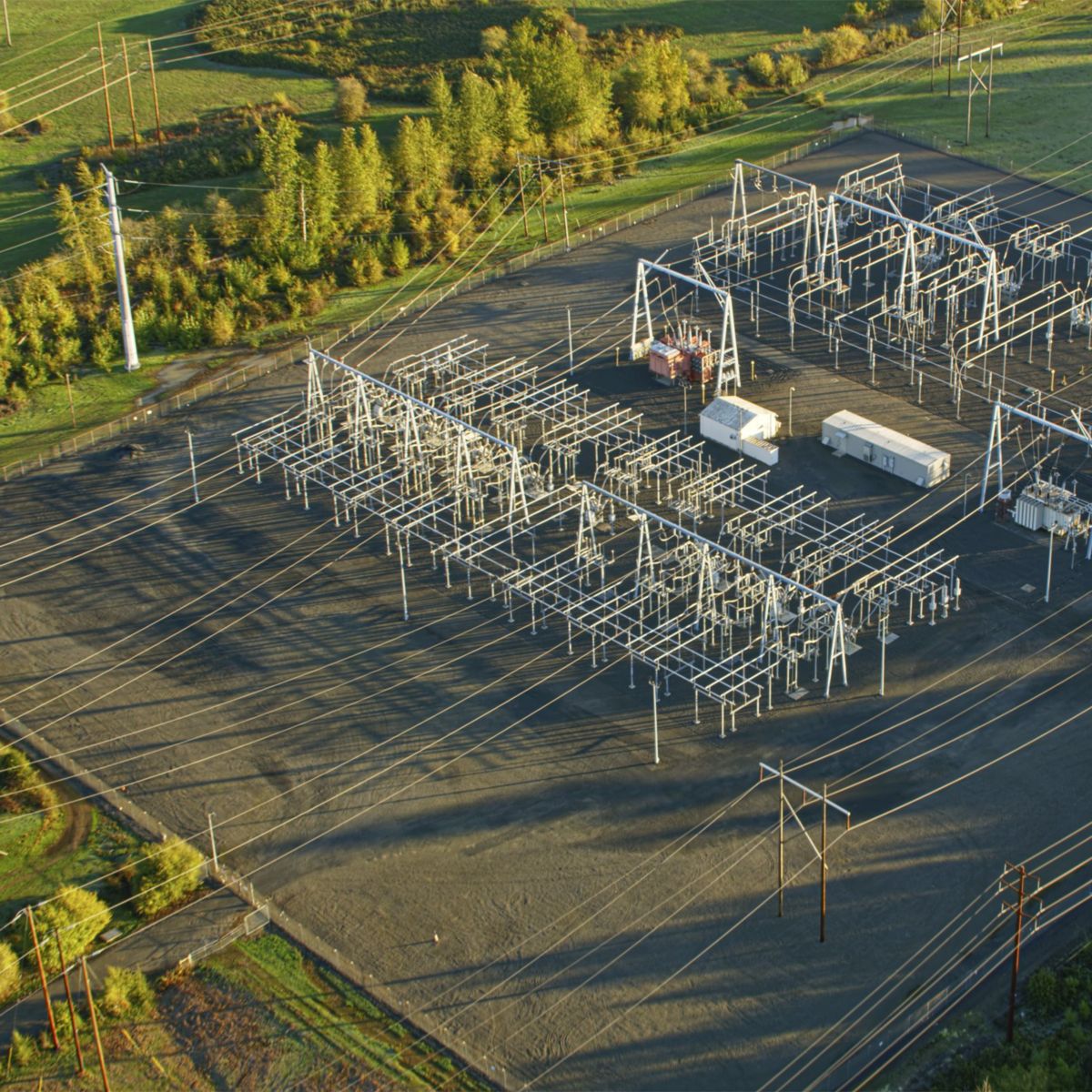
An aerial perspective of an electrical substation featuring metal framework and power lines surrounded by greenery during golden hour.

Protecting what powers your community

Utilities face growing cyber and physical threats. Honeywell brings together OT cybersecurity, risk insight and integrated physical security capabilities to help protect operations, support compliance, reduce exposure and improve response readiness across critical environments. Integrated telecommunications and security systems


  • Integrated security systems
 
  • Access control solutions
 
  • Cyber-physical risk assessments
 
  • Managed security services
 
  • Asset discovery, networking monitoring and threat detection 
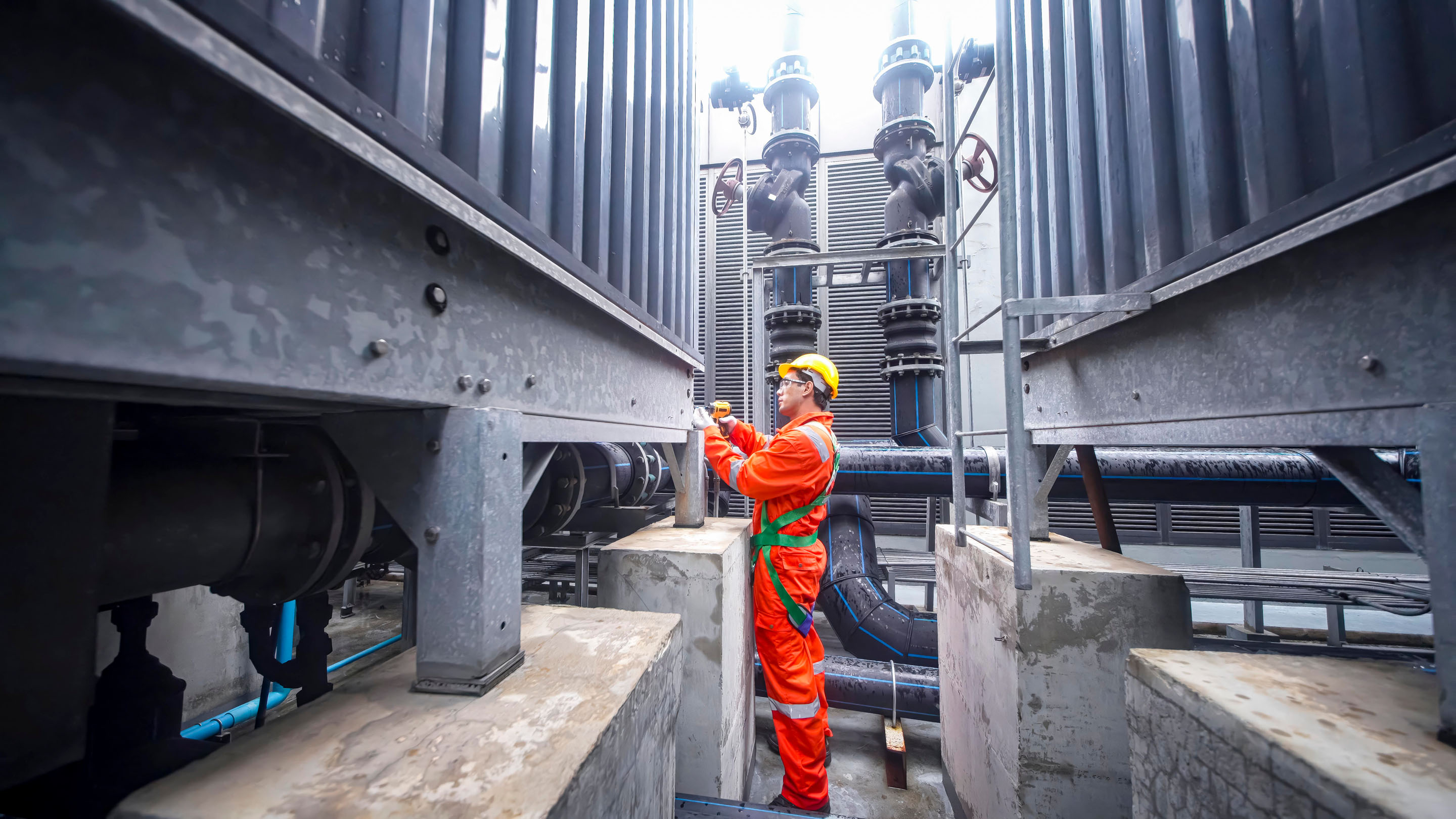
hon-engineer-orange-ppe-cooling-tower-inspection-1630601113.jpg

Worker protection through hazard reduction

Honeywell supports safer work execution and hazard prevention for utility crews and facilities, helping reduce incidents, reduce downtime and strengthen compliance across gas, electric and water operations.


  • Fewer safety events with improved situational awareness
 
  • Earlier hazard detection to prevent escalations and outages
 
  • Better compliance through consistent safety practices and data
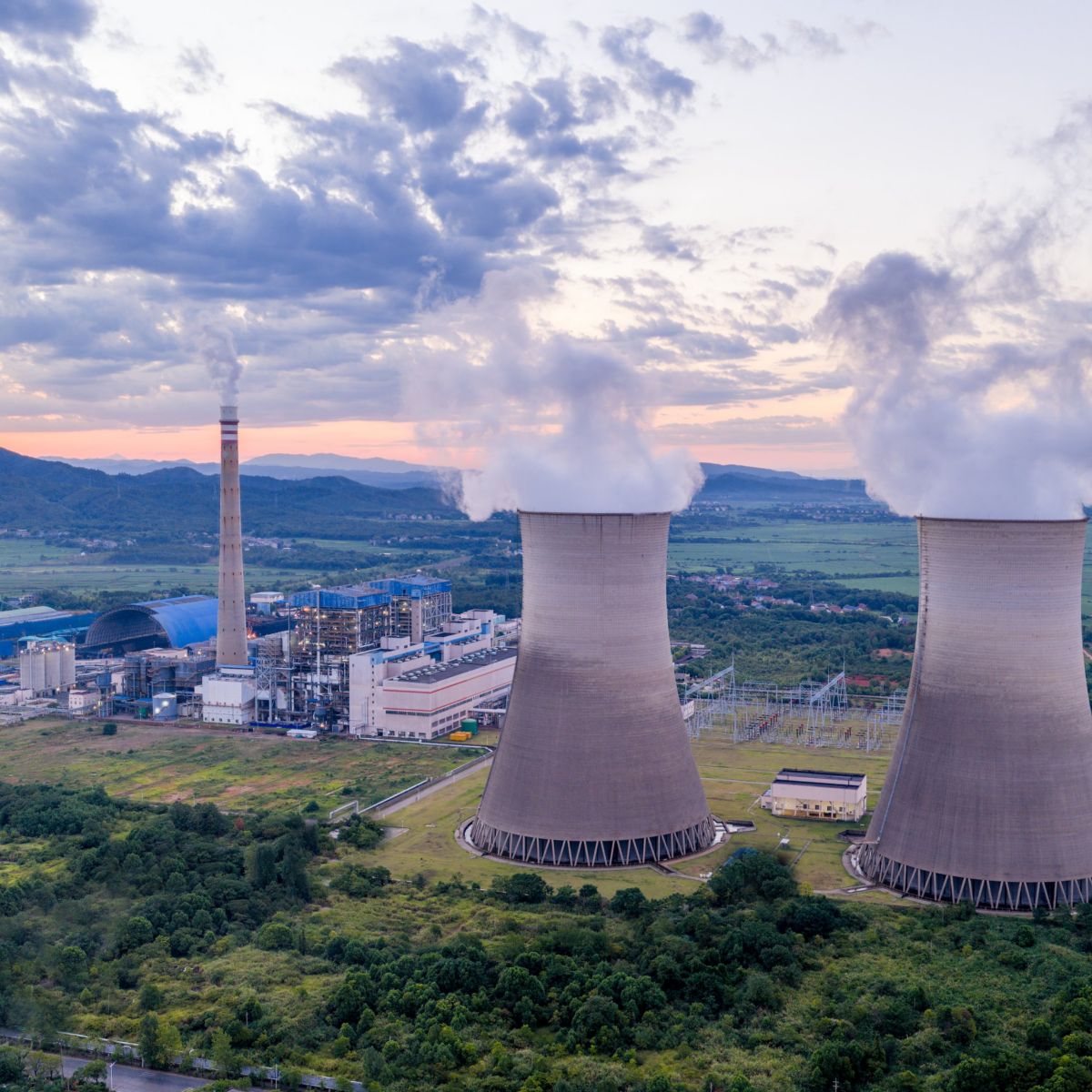
An aerial view captures a thermal power plant at sunset, highlighting its massive cooling towers emitting steam amidst a rural landscape.

Simplify compliance with lower emissions and improved measurement

Honeywell enables utilities to move from ambition to action, combining emissions visibility with transition-enabling solutions that help reduce their footprint, strengthen reporting confidence and support long-term decarbonization pathways.


  • More accurate measurement and reporting of emissions performance
 
  • Faster identification of reduction opportunities across operations
 
  • Greater confidence in compliance and stakeholder transparency
An IT specialist works on a server rack console in a data center illuminated by moody blue and red lighting.

Smarter operations through data unification

Honeywell helps utilities improve performance across networks and facilities by connecting operations data, automating routine processes and enabling leaders to make faster, better decisions that improve service levels and cost control.


  • Improved operational efficiency through digitalization and analytics
 
  • Reduced downtime with proactive performance insight
 
  • Better service delivery supported by near real-time operational visibility

Frequently Asked Questions About the Utility Value Chain

Utilities are navigating the transformation of a grid originally built for centralized, one-directional power delivery. Today’s energy landscape is shaped by disruptors like data centers, widespread electrification, electric vehicles (EVs) and renewable energy sources, which challenge traditional grid operations. Grid modernization is a priority for power and utility companies, according to IBM’s Institute for Business Value. The Institute surveyed nearly 600 senior utility executives and found that 100% have developed grid modernization strategies, though 21% report no progress to date. Almost half list “enhancing grid reliability” as a top goal, on a par with “reducing carbon emissions” and “empowering and engaging customers.”1 Modernizing the grid is no longer optional, it’s a strategic necessity. Utilities and power producers must address rising energy demand, aging infrastructure, intensifying climate events and the goal to decarbonize while integrating distributed energy resources (DERs). Success will require a holistic strategy that spans technical innovation, market responsiveness and regulatory alignment.

IBM, “Power grid modernization—Strategies and tactics for resilience and energy transition | IBM,” Biren Gandhi, Zahid Habib, Sally Jacquemin, Spencer Lin, March 21, 2025. [Access August 15, 2025]

Utilities -reduce emissions through multiple strategies: shifting to lower-carbon generation, making existing power plants more efficient, expanding demand-side management to reduce consumption and adopting carbon capture technologies. Recent surveys show 57% of utilities plan significant decarbonization investments.

Fortinet, "2024 State of Operational Technology and Cybersecurity Report," June 12, 2024. [Accessed January 23, 2026]

The rise of smart grids, smart meters and interconnected networks creates more entry points for cyberattacks. Industrial operations, including utilities, face significant threats, with 75% experiencing cyber-attacks recently, making operational technology cybersecurity an important consideration for industrial operations.

An integrated SCADA (supervisory control and data acquisition) solution provides near real-time monitoring and access to electrical system alarms and events, as well as single line custom displays and troubleshooting analysis tools. 

Distributed energy resource programs (DERs) are small-scale electricity supply or demand resources that are usually situated near sites of electricity use. They help modern energy grids integrate renewable sources of power. Most DERs are connected to the public grid, improving the reliability and resilience of wider energy systems. At times of peak energy consumption, DERs can help utilities balance grid loads to prevent outages and blackouts and even generate power to reduce energy costs. Although they represent a small percentage of power generation, DERs are becoming more common. Examples of DERs include but are not limited to solar panels, wind turbines, battery energy storage systems and electric vehicles.

By participating in demand response programs, leveraging distributed energy resources and adopting flexible load management strategies, commercial and industrial customers can help utilities balance supply and demand, improve grid resilience and reduce costs.

Utilities can improve underground line locating by adopting advanced technologies and proactive strategies that help enhance accuracy and reduce risk. Line locating services are critical to public safety as they help protect infrastructure and maintain service reliability. By accurately identifying the location of underground utility lines, such as gas, electric and water, utilities help prevent accidental damage during excavation or construction activities. This approach helps address issues early by reducing the risk of minor damages from escalating into more serious and costly problems.

Safer, more reliable utilities through automation, and connected solutions.