

Life sciences move fast. The solutions to support its success should too. Honeywell solutions are designed to help accelerate time to market and elevate product quality by helping to reduce downtime, improve energy use and secure IoT-connected OT systems. Across pharmaceuticals, biotech, medical device and food and beverage, we help protect critical assets and operations so you can stay focused on delivering quality products.
Technologies for the speed of life science
Enable greater scientific progress with automation and digitalization.


Enable greater scientific progress with automation and digitalization.
Connected Solutions to Drive Faster, Safer Progress in Life Sciences

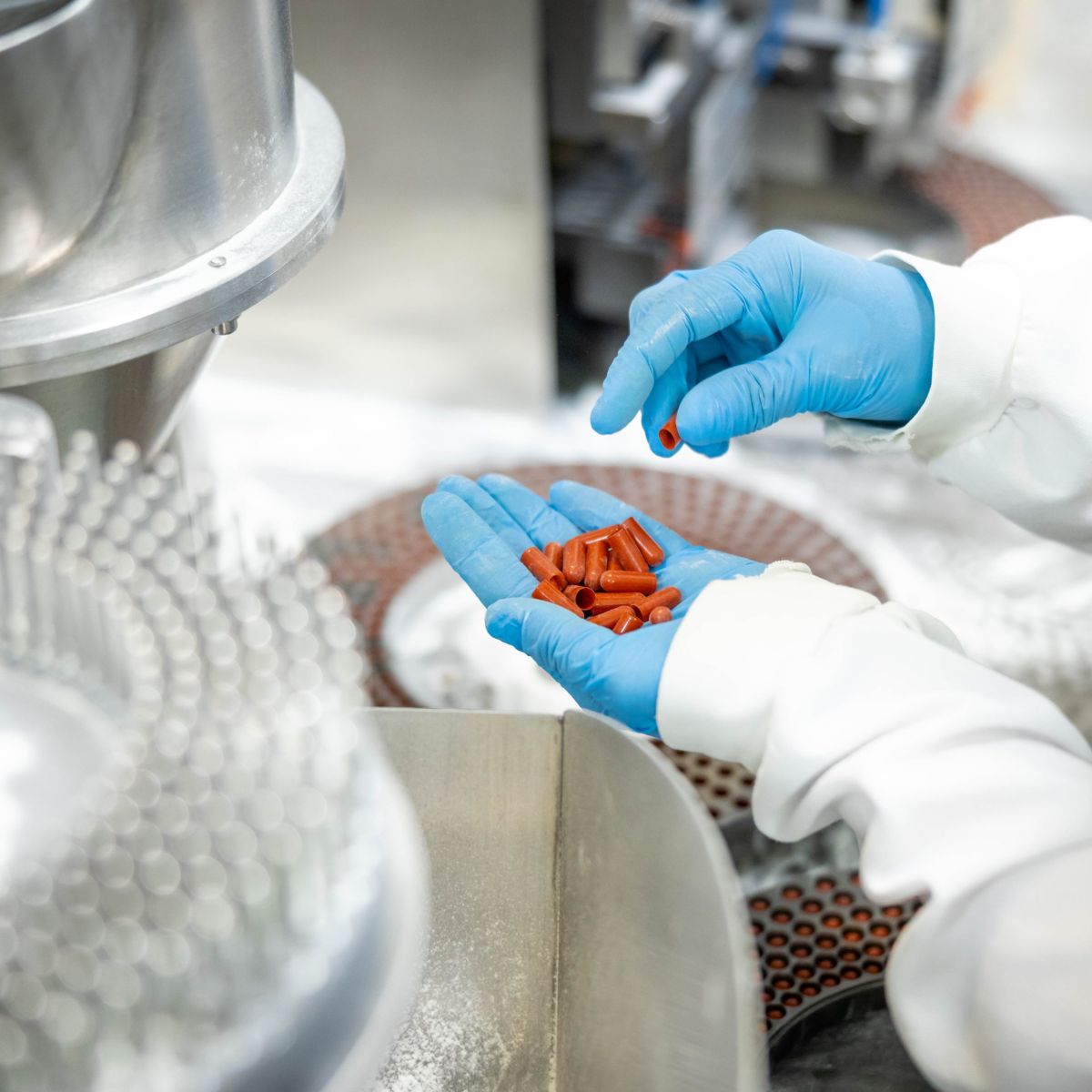



Efficient, Effective, Compliant Systems Made for the Life Sciences Industry
Purpose-built solutions and industry expertise are made to help you save time, maintain quality and keep your operation running, so you can focus on what matters most: innovation.
Customer Stories
See Why Life Sciences Companies are Partnering with Honeywell to Move Faster in an Agile Industry
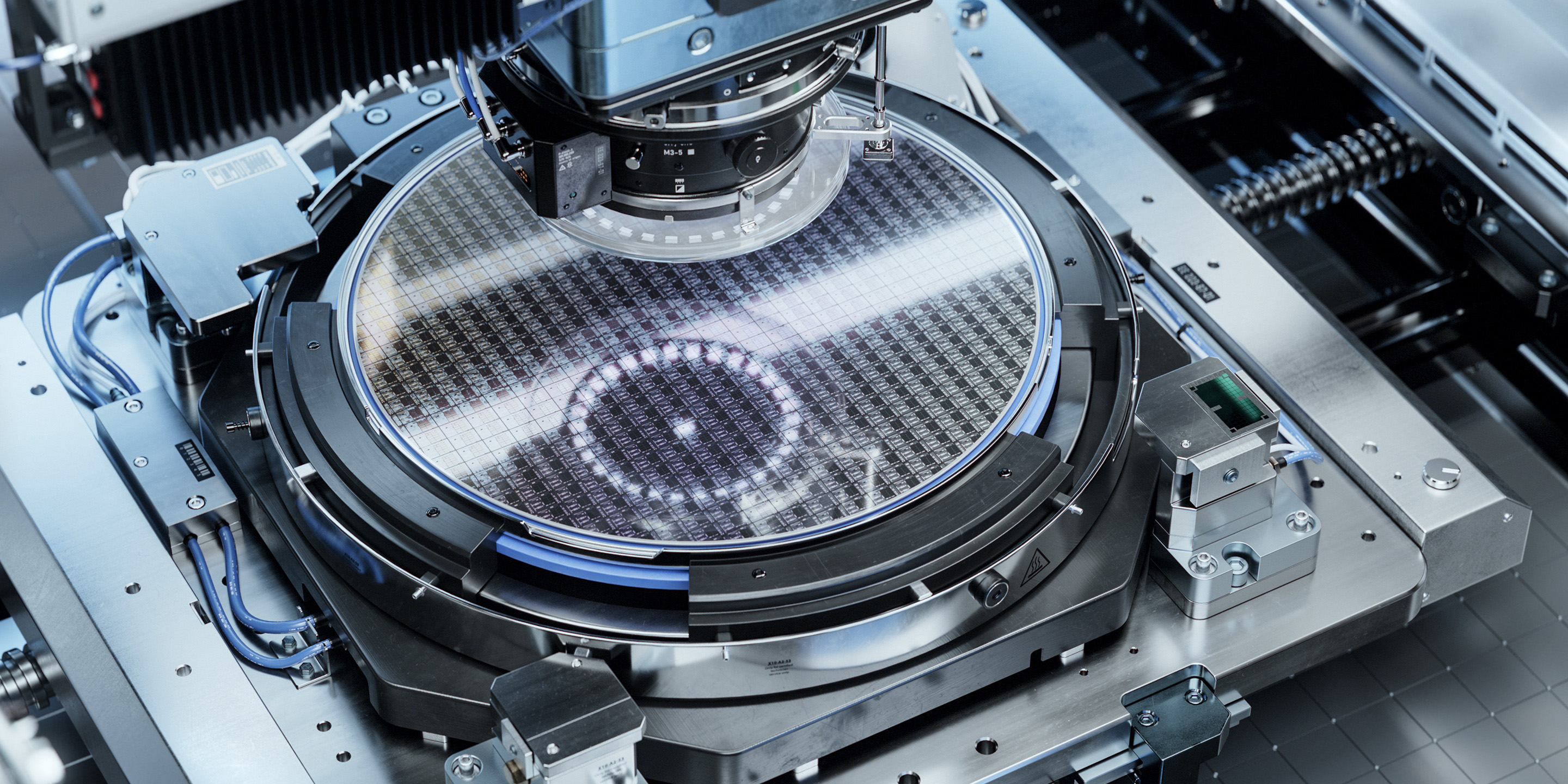

Life Sciences That Help Support a Better Life
From biotech and pharmaceuticals to medical devices and food safety, our purpose-built life sciences solutions help companies improve quality, simplify compliance and streamline operations.

Learn About Solutions to Help Make Life Sciences Innovation Possible
Frequently Asked Questions About the Life Sciences Industry
Life sciences companies use technology to automate processes, maintain controlled environments and help demonstrate regulatory compliance. Integrated systems can help reduce human error, monitor cleanrooms, manage data securely and improve production with near real-time analytics. These tools can improve efficiency and help to reduce risk, manage energy use and support compliance within life sciences operations.
Quality management systems help improve consistency, safety and compliance across life sciences operations, from research to manufacturing to post-market surveillance. They improve regulated workflows by helping simplify audits, enhance traceability, speed up product release, reduce errors and support compliance with required standards such as FDA 21 CFR Part 11.
Data integration helps maintain consistency, traceability and compliance across production. Connecting the data between manufacturing execution systems (MES), Building management systems (BMS), quality management systems (QMS) and Enterprise resource management platforms (ERP) helps enable faster decision making, helps to reduce errors and support audit readiness. It also links quality, operations and supply chain workflows to speed up product release.
Life sciences manufacturers can manage indoor air quality using advanced HVAC systems using building management systems (BMS), precision airflow control technology like venturi valves and environmental monitoring technologies. These tools can regulate temperature, pressure, humidity and particulate levels to maintain cleanroom standards and help prevent contamination. Continuous sensing and automated adjustments can also help support efforts to maintain compliance with strict regulatory requirements in controlled environments.
Manufacturing execution systems (MES) improve life sciences operations by providing near real-time visibility, automating process controls and by helping to unify data silos across production workflows. They help manage batch records, track materials, automate manual processes and support compliance with regulatory standards. Manufacturing execution systems also help with faster decision making and reduce manual errors in environments that are highly regulated.