
Energy Innovation

Securely augmenting the global energy mix

Scaling low‑carbon energy production while modernizing the grid to advance energy security

Aerial view of a vast solar panel field captured during a golden hour sunset, highlighting sustainable energy production in a rural landscape.
An aerial view of wind turbines in a lush green countryside at sunset, highlighting renewable energy infrastructure against a fading evening sky.

Scaling low‑carbon energy production while modernizing the grid to advance energy security

Advanced Technology Drives Renewable Energy Delivery Digital and AI Solutions to Enhance Operations and Increase Reliability

The automation transition requires integrated technology platforms that deliver quantifiable performance across clean fuels production, hydrogen, carbon management and renewable electricity generation. Our digital and AI solutions help customers optimize operations, augment workforce capabilities and increase safety and reliability of existing infrastructure, helping to reduce operating expenses.

Honeywell digital tools help customers identify patterns, find root causes and provide recommended actions to prevent equipment issues, helping reduce downtime and maintenance costs.

Honeywell's portfolio spans LNG liquefaction with >99% operational reliability1, hydrogen purification technologies deployed at 1,100+ installations worldwide2 and carbon capture systems projected to mitigate 320 million metric tons of CO2e between 2023 and 2030.

Our platforms support utilities, fuel producers and industrial operators navigating the shift to cleaner energy sources.
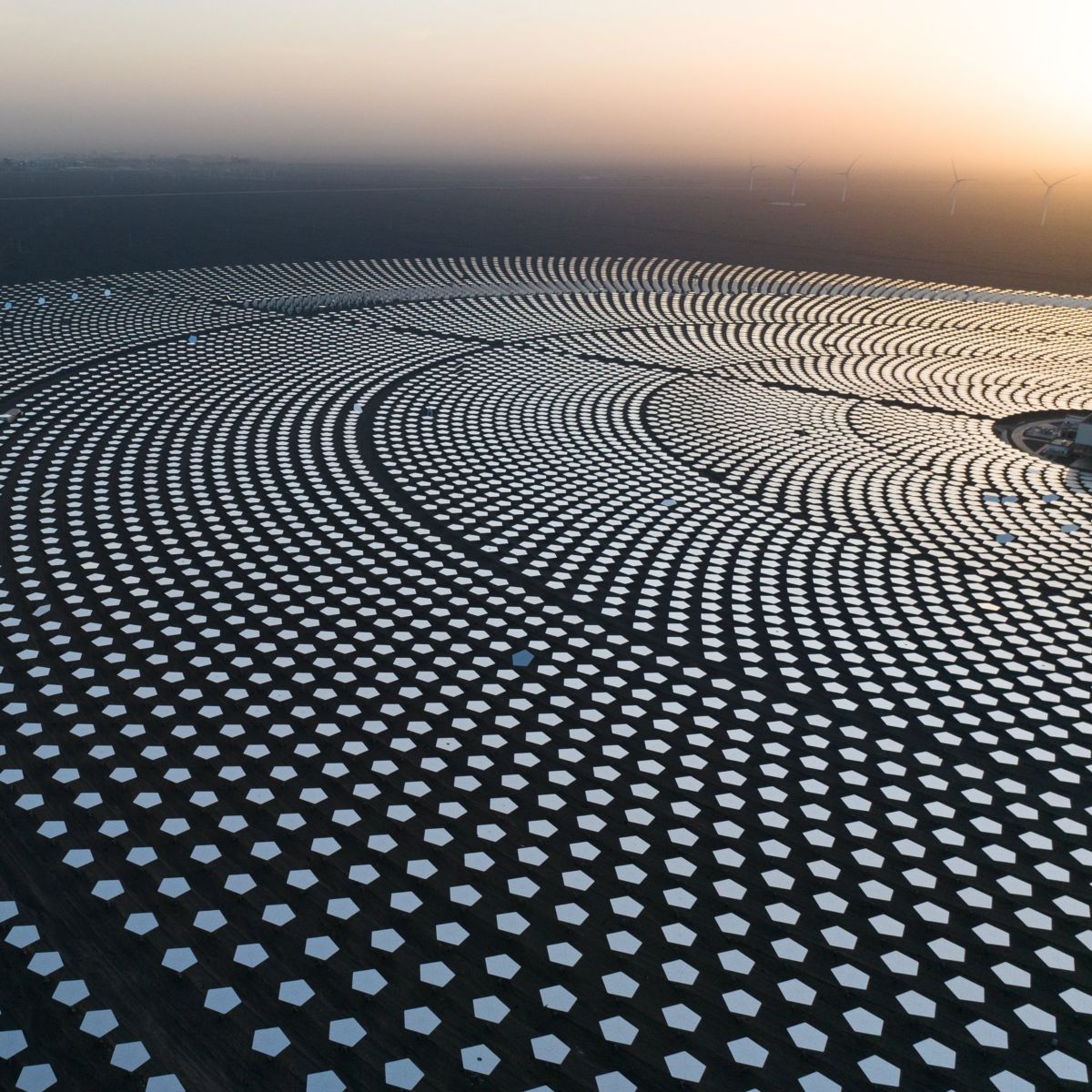

An aerial view captures an expansive array of heliostats reflecting the sunset at a concentrated solar power facility.

Scaling low carbon fuel production for hard-to-abate transport

Renewable fuels provide drop‑in replacements for conventional petroleum‑based fuels across transportation sectors, enabling emissions reductions at scale without infrastructure changes.

An engineer in a safety vest and hard hat uses a tablet to monitor wind turbines on a sunny day at a renewable energy site.

Reliable energy production platforms supporting the transition

Liquefied natural gas serves as a critical bridge fuel in the energy transition, producing 40% less CO2 than coal and 30% less than oil when combusted.3 Honeywell LNG technology incorporates all-electric liquefaction trains powered by renewable or nuclear energy to help reduce lifecycle emissions. Our Ortloff NGL Recovery process integration can reduce power consumption by up to 20% while maintaining >99% operational reliability.4


  • Coil-wound heat exchangers with dual containment enable continued operation during tube leaks until scheduled maintenance.
  • Liquefaction processes that deliver 100% performance test success rates.4
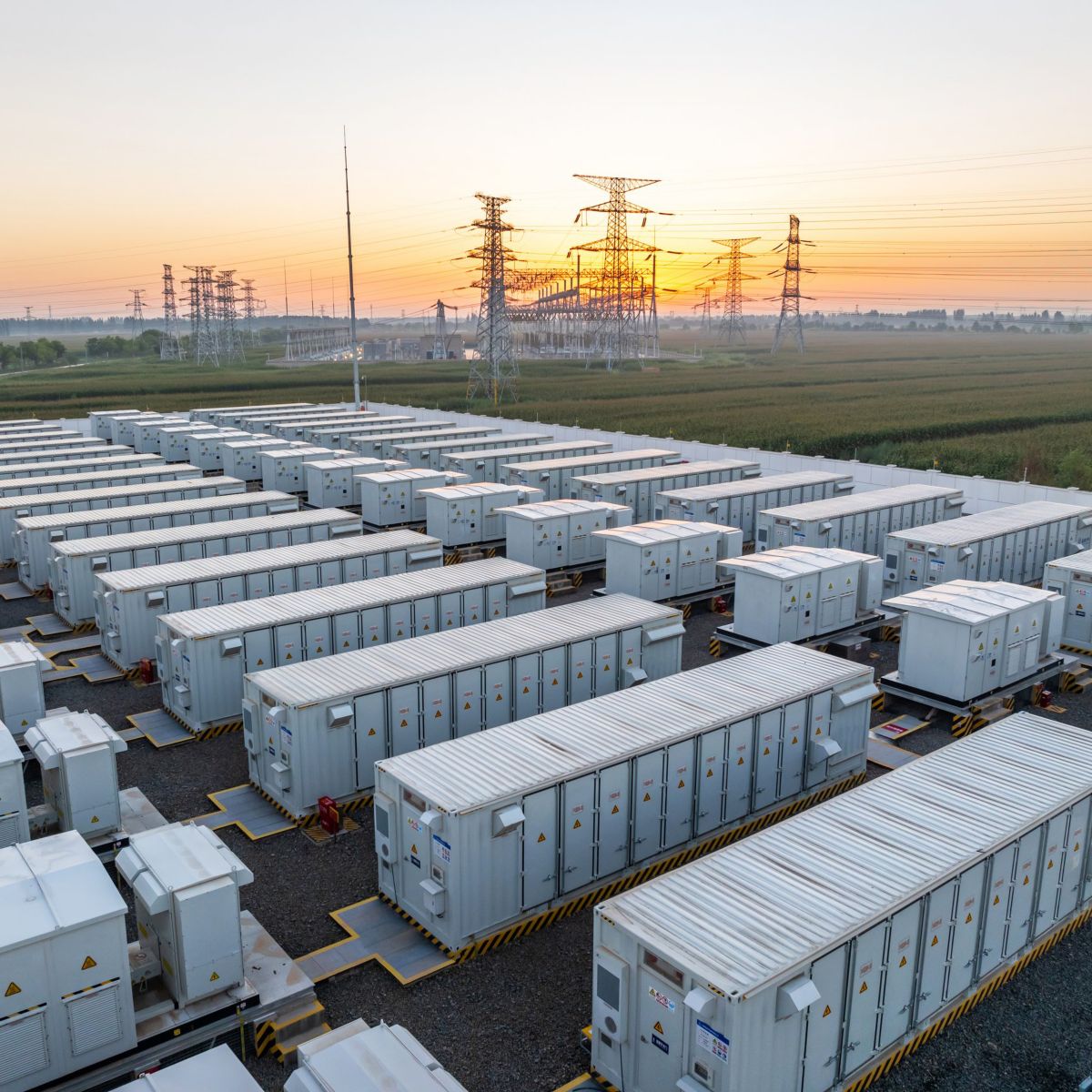
Aerial view of a large-scale industrial battery energy storage system at sunset near high-voltage transmission towers.

Commercial scale hydrogen production for the low-carbon energy mix

Hydrogen demand is projected to reach 660 million tons by 2050, requiring 7.5X growth in reliable, low-carbon production capacity.5 Honeywell supports both green hydrogen via renewable-powered electrolysis and blue hydrogen with integrated carbon capture, helping producers scale hydrogen as part of a diversified low‑carbon energy mix. Our catalyst-coated membrane technology for proton exchange membrane electrolysis achieves 55% higher hydrogen production per unit area than commercially available alternatives.5


  • 1,100+ licensed hydrogen purification installations worldwide. produce high-purity hydrogen for industrial applications.
  • Advanced PSA systems capable of >99% hydrogen purity.6
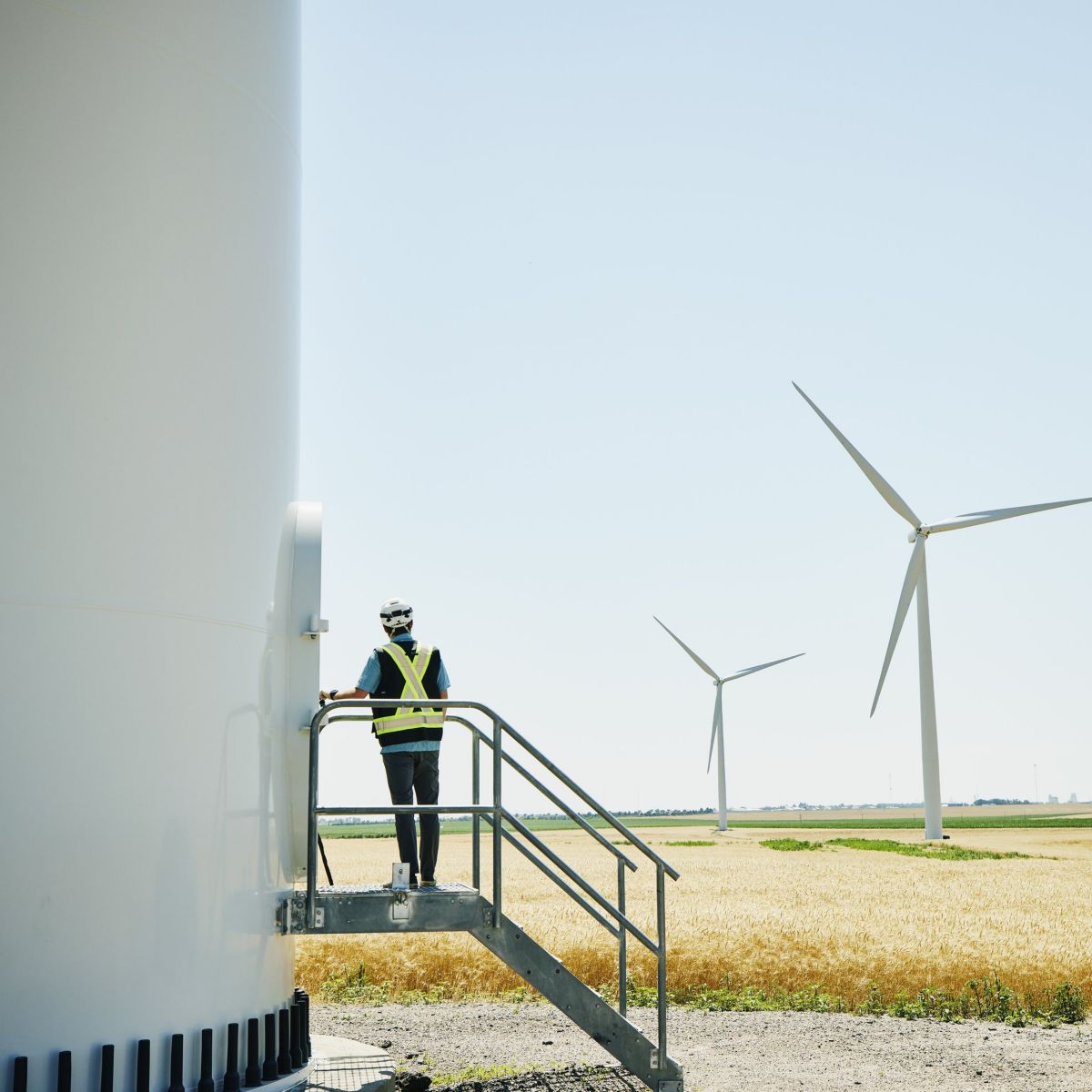
A technician in safety gear stands on a metal platform to access a large white wind turbine tower situated in a vast golden wheat field.

Increasing low-carbon energy assets with data and automation

Across renewable fuels, hydrogen and carbon capture operations, data‑driven optimization enables continued operation of industrial facilities while pursuing emissions reduction targets. Honeywell offers customizable solutions including solvents, adsorbents, cryogenics and membranes tailored to specific CO2 concentrations, pressure conditions and purity requirements.

Honeywell’s digital platforms apply advanced analytics and automation across low‑carbon energy assets to help improve reliability, efficiency and uptime.


  • Portfolio of CCUS technologies projected to mitigate cumulative 320 million metric tons of CO2e from 2023 to 20307.
  • Pre-combustion and post-combustion capture options support applications from hydrogen plants to LNG terminals and power generation.
  • Production scale: 90+ renewable fuel licenses

    Honeywell technologies produce sustainable aviation fuel and other renewable fuel across the world.

  • Economic performance: $9.5 billion in customer saving

    We've saved customers nearly 10 billion dollars in energy and operational savings.

  • System optimization: 80-160 GW demand offset potential

    Virtual power plants help optimize and dispatch distributed energy assets, offsetting 80-160 GW of peak demand by 2030.

Frequently Asked Questions About Energy Innovation

As renewable fuels, hydrogen and renewable electricity production scale, battery energy storage systems act as rechargeable assets that store energy from multiple sources including solar panels, wind turbines and the grid. These systems charge when renewable energy production exceeds demand or when electricity prices are low, then discharge during peak demand periods. Storage systems provide backup power during grid outages while helping reduce energy consuption and carbon footprint. Organizations can sell excess stored energy back to the grid, participate in demand response programs and provide ancillary services like frequency regulation and voltage support.

Distributed energy resources are small-scale electricity supply or demand resources typically located near sites of electricity use. Common examples include rooftop solar panels, wind turbines, battery energy storage systems, electric vehicle chargers, fuel cells and backup generators. These resources connect to the public grid to improve reliability and resilience of wider energy systems.


During peak consumption, distributed energy resources help utilities balance grid loads to prevent outages. When aggregated into virtual power plants, distributed energy resources can operate as unified resources that participate in wholesale electricity markets while providing grid stabilization services.

A virtual power plant aggregates the capacities of different types of distributed energy resources through advanced software, communications and control platforms. The combined fleet of solar installations, wind turbines, battery systems and flexible loads operates as a single, unified resource that can be dispatched to meet grid needs. A central authority manages the virtual power plant using cloud-based platforms that collect real-time data from thousands of connected devices. Sophisticated algorithms determine optimal times to generate, store or consume electricity based on grid conditions, market prices and participant preferences.

Hydrogen and hydrogen-based fuels can significantly reduce emissions, especially in hard-to-abate industries where direct electrification is challenging. Low-carbon hydrogen production is usually defined as either "blue" or "green." Blue hydrogen is produced by conventional methods, using carbon capture technology to reduce CO2 emissions. Green hydrogen is made using renewable energy sources like wind or solar through electrolysis, where electricity separates water into hydrogen and oxygen without generating carbon emissions.

Renewable energy grid integration faces several technical and operational challenges that require advanced solutions. Variable generation from solar and wind creates unpredictability in supply that must be balanced against demand. Aging transmission and distribution infrastructure may lack the capacity to handle bidirectional power flows from distributed generation sources.


Grid operators can benefit from sophisticated forecasting tools to predict renewable energy production based on weather conditions and historical patterns while energy storage systems help address these challenges by providing flexibility and dispatchability.

Renewable fuels cut carbon emissions by using renewable feedstocks that recycle recently absorbed atmospheric CO₂, rather than releasing new fossil carbon. They're produced through efficient upgrading processes like Honeywell Ecofining® that turn waste oils, solid biomass and other abundant waste sources into energy-dense, lower-carbon fuels. These drop-in replacements work with today’s engines and fueling infrastructure without modifications, enabling existing fleets to meet transportation demands while helping to reduce lifecycle greenhouse gas emissions.

Energy Innovation to Improve Your Operations

Advance energy security with next-gen fuels, automation and renewable energy solutions.